How to Stop Self Blame After Divorce
Forgiveness as a Healing Process
Forgiveness is not just about excusing someone else's behavior; it's an essential part of healing after a divorce. Studies show that forgiving both oneself and an ex-partner can lead to a measurable reduction in anger and resentment, promoting psychological well-being. Importantly, forgiving doesn't mean condoning past actions; it's more about freeing yourself from ongoing emotional pain.
Research illustrates that individuals who actively engage in forgiveness exercises report improved mental health outcomes. For instance, writing a letter expressing your feelings of hurt and then choosing to forgive can be a significant step towards personal peace. By committing to this process, you're not only choosing to let go but also empowering yourself to move forward.
Some might find it helpful to create actionable steps toward forgiving both themselves and their ex-spouses. This may include setting aside time regularly to reflect on the past and consciously choosing to release negative emotions associated with it.
The Role of Mindfulness in Self-Care
Mindfulness is the practice of staying present and fully engaging with the current moment without judgment. Incorporating mindfulness into self-care routines can be incredibly beneficial after a divorce. Research indicates that regular mindfulness practice reduces anxiety and fosters a greater sense of well-being. It encourages individuals to acknowledge their feelings without necessarily letting those feelings dictate their thoughts or actions.
Simple mindfulness practices like meditation, or even taking mindful walks, allow individuals to process emotions related to self-blame without overwhelming themselves. It's critical to recognize that feelings of regret are natural, but they don’t have to define your future. One effective method is to focus on breathwork, which can ground you and help cultivate emotional balance.
Building a Supportive Community
Surrounding yourself with a supportive community is vital for practicing self-compassion and forgiveness. Engaging with friends, family, or support groups can provide the social support necessary to overcome feelings associated with divorce. Studies suggest that social connections foster resilience and can act as a buffer against stress and emotional pain.
Consider joining divorce support groups, where members share their experiences in a safe environment. Such forums often allow participants to express feelings of guilt or regret and receive constructive feedback or comfort from others who've faced similar challenges.
Building these relationships can enhance one’s sense of belonging and validation during tough times, serving as a reminder that healing is a collective journey rather than an isolated experience.
Taking Concrete Steps Towards Recovery
To effectively stop the cycle of self-blame, it is necessary to take proactive steps towards recovery. This may involve seeking professional counseling or therapy, which can provide personalized guidance tailored to your needs. Studies show that cognitive-behavioral therapy (CBT) can be particularly effective in addressing negative thought patterns that contribute to self-blame.
One step that can be impactful involves setting small, manageable goals aimed at self-improvement, such as engaging in new hobbies or prioritizing personal interests. Over time, these increments of positive self-care can build a solid foundation for self-forgiveness and an overall improved mental state.
Ultimately, developing a consistent routine that incorporates practices of self-compassion, forgiveness, and community support will facilitate growth and healing. Consistency is key; attending therapy or support groups regularly enhances accountability and reinforces the lessons learned during these sessions.
Seek Professional Help When Needed
Understanding the Role of Therapy
Therapy is a powerful tool for individuals grappling with self-blame after a divorce. A trained therapist can provide you with a safe environment to unravel complex emotions and cognitive distortions, helping you sort through feelings of guilt and shame. Research indicates that cognitive-behavioral therapy (CBT) is particularly effective in addressing negative thought patterns associated with post-divorce self-blame.
Moreover, therapy aids in identifying irrational beliefs about personal responsibility during your marriage. Many individuals feel they need to shoulder blame for their partner's actions or the marriage's failure. A professional can help you recognize that relationships are a shared responsibility, ensuring you don’t bear the emotional burden alone.
Finding Support Groups
Support groups offer another layer of assistance, providing a platform for individuals to share their experiences without judgment. Research by the American Psychological Association (APA) shows that discussing feelings in group settings can significantly reduce the sense of isolation many feel after divorce. These groups foster understanding and provide different perspectives, which can aid in reframing self-blame into a more constructive narrative.
Utilizing Online Resources
The internet is an abundant resource for individuals navigating the complexities of a divorce. Websites and forums are dedicated to offering guidance and sharing experiences. Online therapy platforms such as BetterHelp and Talkspace connect individuals with licensed therapists, making professional help more accessible. Studies have shown that internet-based interventions can be particularly beneficial for those who may not seek traditional therapy due to stigma or accessibility issues.
Moreover, engaging with online resources allows participants to learn diverse coping mechanisms, strategies for self-acceptance, and narratives from others who have triumphed over similar feelings of blame. These resources can enrich one's understanding and provide essential support during challenging times.
The Importance of Self-Care
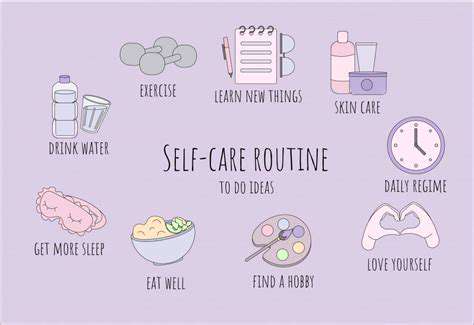
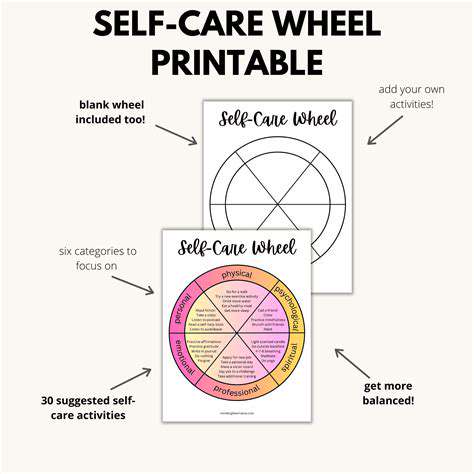
When dealing with the aftermath of a divorce, practicing self-care becomes crucial to restore emotional well-being and to combat negative self-perceptions. Engaging in activities that promote mental health, such as mindfulness, journaling, or physical activity, can reduce feelings of blame and enhance self-acceptance. According to a study published in the Journal of Health Psychology, individuals who consistently engage in self-care practices demonstrate improved emotional resilience.
It's essential to prioritize your mental health while navigating this transition. This may include establishing a daily routine that incorporates healthy habits, setting personal boundaries, and allocating time for hobbies or interests that uplift your spirit. Self-care is not merely a luxury; it is a necessity that facilitates healing and personal growth post-divorce.
Focus on Growth and Personal Development

Understanding the Impact of Self-Blame
Self-blame can have a profound effect on individuals post-divorce. When one constantly criticizes themselves, it can lead to a cycle of low self-esteem and relentless guilt.
Research indicates that this mindset may hinder personal growth, making it even harder to rebuild one's life. Studies show that self-blame is associated with increased levels of anxiety and depression. Recognizing this impact is the first step toward healing.
- Self-blame can lead to anxiety and depression.
- It often prevents personal growth and recovery.
- Understanding its effects is crucial for self-improvement.
Embracing Personal Growth Techniques
To shift the focus away from blame, consider incorporating personal growth techniques into your routine. Mindfulness, for instance, encourages being present, making it easier to acknowledge feelings without harsh judgment.
Participating in hobbies or developing new skills can also foster self-confidence. Engaging in activities that you are passionate about often rekindles a sense of joy. According to a 2019 study, individuals who pursued hobbies reported lower levels of stress and increased life satisfaction.
Building a Strong Support Network
A robust support network can make a significant difference in your healing journey. Surrounding yourself with positive, understanding people helps create a space where you can express your feelings without judgment.
Consider joining support groups or engaging with friends who have undergone similar experiences. Sharing your journey not only provides comfort, but also creates opportunities for learning and growth.
Friendships can foster accountability and motivation, reminding you that you are not alone. Additionally, professional counseling may offer invaluable support in managing feelings of guilt and blame.
Setting Personal Goals for the Future
One effective way to move past self-blame is to set clear and achievable personal goals. This can provide a sense of direction and purpose, encouraging a proactive mindset.
Start with small objectives that can be accomplished in daily life and gradually move to more significant aspirations. Celebrating these milestones can also bolster your self-esteem. In a practical sense, writing down your goals and regularly reviewing them has shown to enhance motivation and commitment.
By focusing on your growth rather than your past failures, you create a narrative that celebrates resilience and achievement.
Build a Supportive Network

1. Identify Your Pillars of Support
- Recognize friends and family who genuinely uplift you during tough times.
- Engage with support groups or professionals to expand your network.
- Evaluate emotional availability and understanding within your existing relationships.
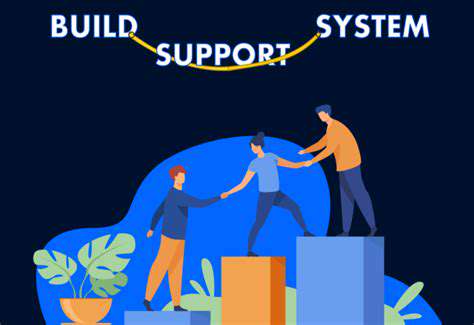
To build a supportive network, start by identifying the individuals in your life who serve as trustworthy sources of encouragement. These can be friends, family members, or even colleagues who consistently provide emotional support when needed. Consider reaching out to them to discuss your feelings and challenges post-divorce. Their perspectives can help illuminate your path forward.
Moreover, you might want to seek out community support groups, either in-person or online. These settings provide a safe space where you can connect with others facing similar experiences. Organizations dedicated to divorce recovery often facilitate meetings that can broaden your network and reinforce your sense of belonging.
2. Establish Boundaries for Healthy Relationships
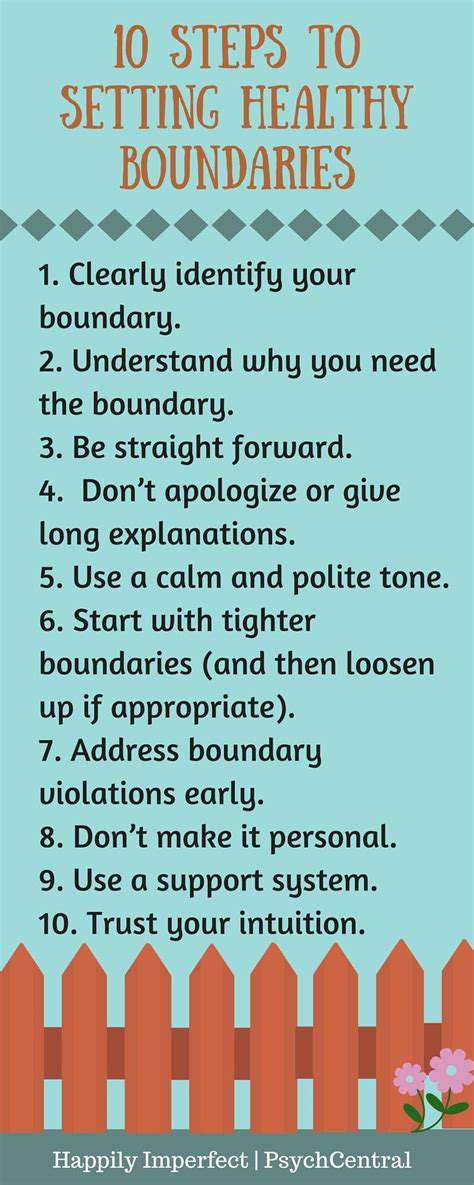
While it's crucial to surround yourself with a supportive network, it's equally important to establish clear boundaries. Boundaries prevent feelings of overwhelm and disappointment when dealing with emotional volatility during a difficult time. For example, if certain conversations lead to negative feelings or self-blame, communicate your need for a different focus. This helps ensure that your network reinforces positivity instead of dwelling on the past.
Be open about your emotional needs, but also listen to others' concerns. This creates a mutual respect that can enhance the supportiveness of your relationships. Remember, the goal is to foster connections that promote healing, not further conflict.
3. Seek Professional Guidance
In addition to personal connections, professional support can be vital in stopping self-blame after divorce. Therapists and counselors specializing in relationship issues can provide you with tools to analyze and combat negative thinking. Research indicates that therapy can reduce feelings of guilt by helping individuals reframe their experiences and view them more objectively.
Self-help resources, like books and workshops, can also bolster your knowledge and self-awareness. Engaging in these resources lays the groundwork for personal growth, offering new insights and methodologies for coping with emotional distress. Consider exploring options that resonate most with you, whether through reading, attending seminars, or even participating in webinars.
Establishing a support network is essential to healing after divorce. While family and friends play a crucial role, Professional Guidance Offers invaluable techniques for overcoming self-blame. Combining personal and professional support can ultimately provide a more robust foundation for recovery.
Read more about How to Stop Self Blame After Divorce