how to heal from a breakup
In some cases, friends and family alone might not suffice. If feelings of sadness, anger, or hopelessness persist, it may be beneficial to reach out for professional guidance. Therapists or counselors trained in dealing with relationship issues can equip you with coping strategies tailored to your emotional state. They offer a neutral perspective that can help clarify complex feelings you might be grappling with.
Research shows that therapy can significantly enhance emotional recovery rates. A meta-analysis from the American Psychological Association highlights that individuals engaging in therapy after a breakup often report a greater sense of clarity and emotional resilience compared to those who do not seek help. Recognizing when you need that extra layer of support can accelerate your healing process.
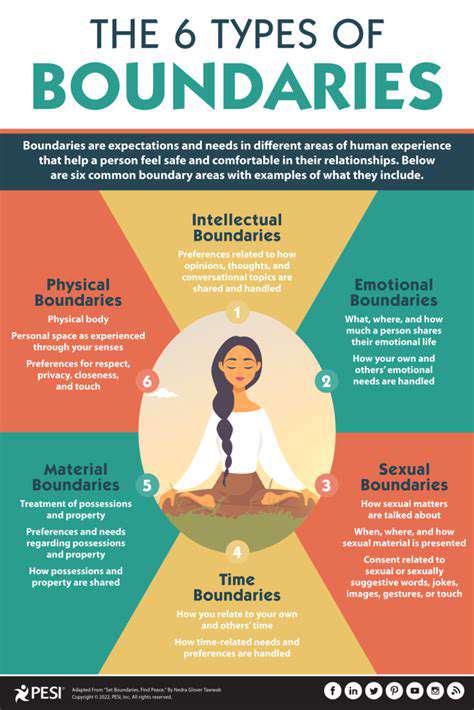
Setting Boundaries: A Critical Part of Healing
Establishing boundaries is essential for effective healing. After a breakup, interactions with an ex-partner can lead to emotional turmoil and setbacks in the healing process. Enforcing clear limits regarding communication and social interactions can help preserve your mental well-being. This may mean taking time away from mutual friends or social activities where you might encounter your ex.
Boundaries contribute to creating a space where you can focus entirely on personal growth. It’s also crucial to communicate these boundaries to your support system so they can assist you in maintaining them. Respecting your need for distance is as important as pursuing emotional connections with supportive individuals.
Engaging in Activities that Foster Well-Being
While it’s essential to receive help from others, focusing on self-care activities is equally important. Engaging in hobbies or interests that you are passionate about can serve as a productive distraction. Activities like reading, exercising, or volunteering can enhance your mental and physical health while facilitating personal growth post-breakup.
Evidence suggests that exercise, in particular, has powerful benefits for mental health. According to research published in Psychological Science, physical activities can increase the production of endorphins, leading to improved mood and reduced feelings of anxiety or depression. Finding pleasure in activities can aid in the rebuilding of self-esteem and satisfaction, which is crucial in overcoming the emotional ramifications of a breakup.
Focusing on Self-Care
Understanding the Importance of Self-Care
Self-care is more than just a buzzword; it's a crucial component of emotional healing, especially after a breakup. Engaging in self-care activities can drastically improve one's mental wellbeing, enhancing mood and promoting resilience. Studies suggest that dedicated self-care can lower levels of stress and anxiety significantly, making it essential for recovery.
A focus on self-care encourages individuals to prioritize their needs and feelings, which can sometimes be overlooked. It allows you to reconnect with your inner self, helping to clarify personal values and goals. Furthermore, it serves as a reminder that it's acceptable to nurture one’s own happiness, regardless of past relationship traumas.
Creating a Self-Care Routine
Establishing a self-care routine tailored to your specific needs post-breakup can be extremely beneficial. Consider incorporating different elements, such as physical activity, relaxation techniques, and creative outlets. For example, setting a daily schedule that includes exercise, mindfulness practices, and hobbies can create a comforting structure in your day.
- Physical activity can include yoga, jogging, or any sport you enjoy.
- Relaxation techniques may involve deep breathing, meditation, or journaling.
- Creative outlets could be painting, writing, or music.
These activities not only serve to reduce stress but also offer new opportunities for personal growth and self-discovery. Experimenting with various practices can help uncover what resonates most with you.
Importance of Social Connections
While self-care is vital, it's also crucial to maintain connections with friends and family. Social support can significantly enhance your healing journey. Engaging in conversations, sharing experiences, and participating in social activities help reinforce a support network that is invaluable during difficult times.
Moreover, studies indicate that social interactions can trigger the release of neurotransmitters like oxytocin, which positively affects mood and wellbeing. Thus, reconnecting with loved ones can facilitate a smoother emotional recovery.
Nourishing Your Body and Mind
A balanced diet plays a significant role in overall health, especially during emotionally taxing periods. Nutrient-rich foods can have a profound effect on mood regulation. For example, consuming foods high in omega-3 fatty acids, such as salmon and walnuts, is linked to decreased symptoms of depression.
Additionally, staying hydrated and limiting processed foods can improve mental clarity and energy levels. This Balanced approach to nutrition supports not only physical health but also emotional stability, helping manage the fallout of a breakup.
Seeking Professional Help
Sometimes, self-care and social support aren't enough, and it may be necessary to seek professional guidance. Therapy can provide a safe space to explore feelings of heartbreak, anger, or confusion. A qualified mental health professional can offer coping strategies and tools to navigate the complexities of healing.
- Consider cognitive behavioral therapy (CBT) to challenge negative thought patterns.
- Group therapy provides shared experiences, offering comfort and understanding.
- Utilizing mindfulness-based therapies promotes present-moment awareness and reduces anxiety.
Investing in your mental health through professional care can accelerate the healing process and equip you with skills to build resilient relationships in the future.
Rediscovering Your Individual Interests
Understanding Personal Interests Post-Breakup
After a breakup, individuals often find themselves in a unique position to explore personal interests that may have been neglected during the relationship. Research suggests that engaging in activities that align with one’s passions can significantly enhance emotional well-being. For example, a study published in the American Journal of Happiness showed that pursuing hobbies can lead to increased happiness and lower levels of stress. This presents an opportunity to focus on oneself and rediscover what brings joy.
Reflecting on personal interests is not just about recreation; it’s also a pathway toward self-discovery. By reconnecting with forgotten hobbies or trying out new activities, individuals can develop a clearer understanding of their identities outside their past relationships. This can be particularly healing, creating a sense of autonomy that supports personal growth.
Creating a List of Interests
To embark on this journey of rediscovery, start by creating a comprehensive list of interests. Consider activities that were enjoyed before the relationship or new skills that have always been intriguing. Writing them down provides a visual representation of Personal Aspirations. This exercise can illuminate avenues for personal fulfillment. For instance, someone may realize they have a knack for painting or writing, which can be a great outlet during emotional transitions.
Experimenting with New Activities
Once interests have been recorded, the next step is to engage with them proactively. Trying out new activities can often yield unexpected joys and satisfaction. This could range from taking a cooking class to joining a local sports team. Studies indicate that trying new experiences can activate the brain's reward system—leading to feelings of accomplishment and renewed energy. It’s also a practical way to meet new people, expanding social networks that may provide additional emotional support.
Moreover, it’s essential to approach these new activities with a mindset open to exploration rather than perfection. The focus should be on enjoyment and personal growth rather than achieving mastery or competition.
Prioritizing Solo Time
Rediscovering individual interests also involves re-evaluating the importance of personal time. Embracing solitude can foster creativity and self-reflection. In a world where interactions are often communal, spending time alone can feel uncomfortable at first but can lead to fulfilling revelations about oneself. Engaging in activities like journaling, meditation, or solo travel can cultivate deep insights and strengthen resilience.
Utilizing Support Systems
As individuals step into new interests, leveraging support systems can be immensely beneficial. Whether reaching out to friends who share similar interests or joining online communities, connecting with others can provide motivation and encouragement. Data from the Pew Research Center indicates that people who pursue hobbies with peers report higher gratification levels in their activities, potentially reducing feelings of isolation that often accompany a breakup.
Setting Goals for Self-Improvement
Finally, setting realistic goals aligns with the broader theme of rediscovering interests and contributes to personal development. By articulating short-term and long-term goals related to these interests, individuals create a roadmap for their healing journey. Achieving these goals, however small, can serve as significant milestones in recovery and foster self-efficacy. For instance, committing to read one book a month or completing a specific project can provide a sense of purpose and achievement.
Setting New Goals for the Future
Identifying Personal Aspirations
Understanding what you truly want in life can be challenging, especially after a breakup. It’s essential to take some time for self-reflection and assess your passions and interests. Studies indicate that individuals who engage in self-reflective practices often discover new aspirations that can guide their post-breakup journey. Whether it’s pursuing a career change, exploring hobbies, or enhancing personal skills, setting clear aspirations can provide a roadmap for your future.
Consider journaling as a tool to clarify your thoughts. Write down your interests, values, and long-term desires. This practice enables you to visualize the direction you want to go in, making it easier to establish achievable goals. Research by psychologists notes that writing can improve self-awareness and emotional processing, facilitating a more constructive approach to life after a breakup.
Establishing SMART Goals
Once you've identified your aspirations, it's wise to translate them into actionable goals using the SMART criteria—Specific, Measurable, Achievable, Relevant, and Time-bound. This framework encourages structure and accountability, ensuring that your goals are not just dreams but achievable milestones. For instance, instead of setting a vague goal like “I want to get healthy,” specify “I will exercise three times a week for 30 minutes and prepare healthy meals on Sundays.” This detail makes the goal easier to track and achieve.
Creating a Supportive Environment
The transition into setting and achieving new goals can be overwhelming, especially in the aftermath of a breakup. Surrounding yourself with supportive friends and mentors can facilitate motivation and provide strength during difficult times. Having a reliable support system can inspire confidence and encourage accountability, which is vital when pursuing personal growth and new goals.
Moreover, consider engaging in community activities or support groups where individuals share similar experiences. Such connections can lead to the development of new friendships and collaborations. Research shows that social support significantly contributes to emotional well-being, allowing for a smoother transition and aiding in the healing process post-breakup as you work towards your new aspirations.
Read more about how to heal from a breakup